Thank you for writing to us. One of our executive will reach back to you through your submitted medium. In case there’s an urgency, feel free to connect over WhatsApp for faster response.
Prefer calling? Dial +9108048073565 (International callers) or 08048073565 (Indian callers).
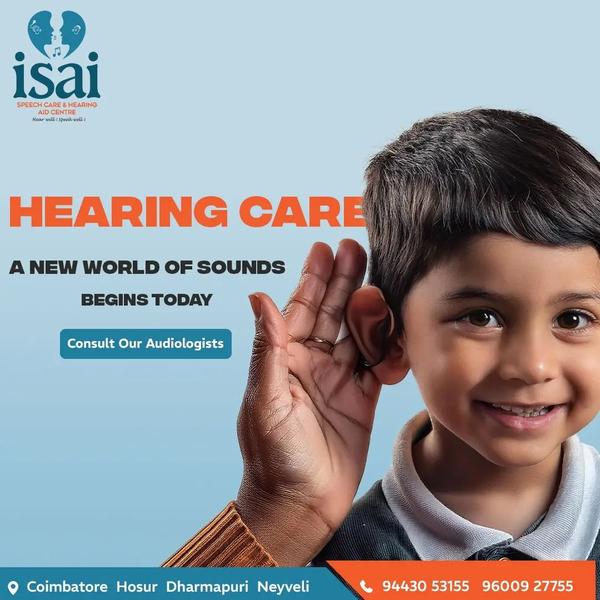
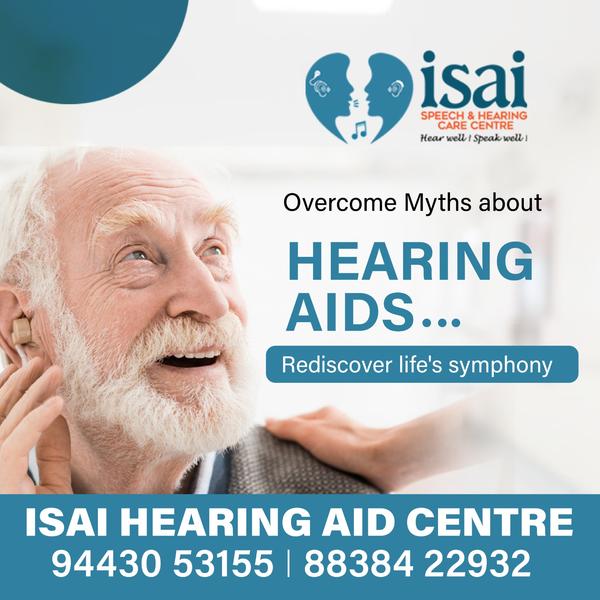
Do you have any difficulties in hearing. Here is a chance to get your permanent solution for hearing problems.
Visit us and get free consultation at Isai Hearing Aid center
Speech therapy is the assessment and treatment of communication problems and speech disorders.
Speech therapy techniques are used to improve communication. These include articulation therapy, language intervention activities, and others depending on the type of speech or language disorder.
Speech therapy may be needed for speech disorders that develop in childhood or speech impairments in adults caused by an injury or illness, such as stroke or brain injury.
Speech Therapy for Children
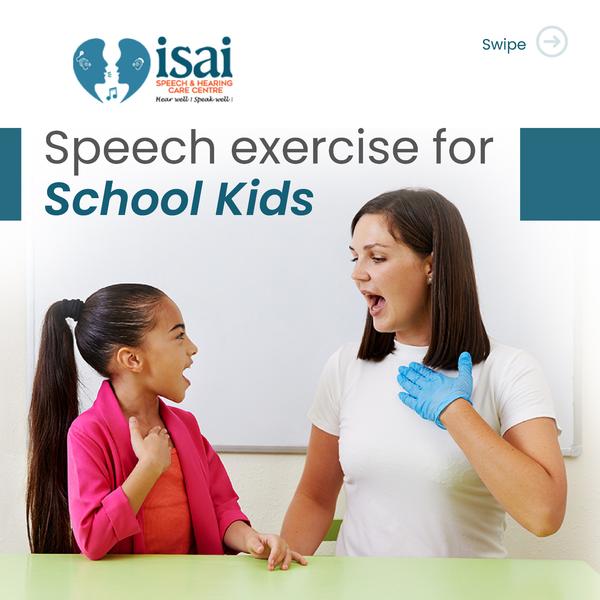
For your child, Speech Therapy may take place in a classroom or small group, or one-on-one, depending on the speech disorder. Speech therapy exercises and activities vary depending on your child’s disorder, age, and needs. During speech therapy for children, the SLP (speech-language pathologist) may:
interact through talking and playing, and using books, pictures other objects as part of language intervention to help stimulate language development model correct sounds and syllables for a child during age-appropriate play to teach the child how to make certain sounds
provide strategies and homework for the child and parent or caregiver on how to do speech therapy at home
How long do you need speech therapy?
The amount of time a person needs speech therapy depends on a few factors, including:
their age
type and severity of the speech disorder
frequency of therapy
underlying medical condition
treatment of an underlying medical condition
Whether you use your voice professionally or not, voice therapy can play an essential role in restoring and strengthening your voice.
Anyone can develop a voice problem at any stage of life. People who use their voices professionally -- such as teachers, coaches, clergy members, performers, and telemarketers -- may be more likely to have voice problems.
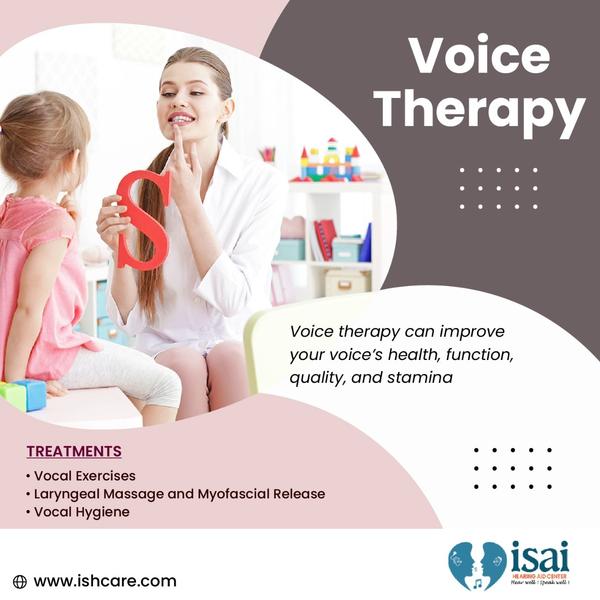
Voice therapy can improve your voice’s health, function, quality, and stamina. That's why it's often described as “physical therapy for your voice.”
During voice therapy, your speech pathologist will create an exercise program tailored to your specific voice problem to help you get your voice back on track. It will take expert guidance from your therapist and consistent practice at home to reach your goal. You'll learn how to rebalance your entire vocal instrument -- for example, how to use breath to speak and how relaxing the throat can help you produce your easiest and best sound.
Voice therapy can also help you improve your voice if you experience:
Traumatic vocal cord (also known as vocal fold) injury
Vocal cord swelling
Vocal nodules, polyps, or cysts
Vocal cord paralysis
Vocal cord atrophy
Muscle tension dysphonia
Spasmodic dysphonia
Chronic cough and irritable larynx
Treatments:
Vocal Exercises
Laryngeal Massage and Myofascial Release
Vocal Hygiene
Swallowing Therapy in Coimbatore
Whether you use your voice professionally or not, voice therapy can play an essential role in restoring and strengthening your voice.
Anyone can develop a voice problem at any stage of life. People who use their voices professionally -- such as teachers, coaches, clergy members, performers, and telemarketers -- may be more likely to have voice problems.
Voice therapy can improve your voice’s health, function, quality, and stamina. That's why it's often described as 'physical therapy for your voice.'
During voice therapy, your speech pathologist will create an exercise program tailored to your specific voice problem to help you get your voice back on track. It will take expert guidance from your therapist and consistent practice at home to reach your goal. You'll learn how to rebalance your entire vocal instrument -- for example, how to use breath to speak and how relaxing the throat can help you produce your easiest and best sound.
Voice therapy can also help you improve your voice if you experience:
Traumatic vocal cord (also known as vocal fold) injury
Vocal cord swelling
Vocal nodules, polyps, or cysts
Vocal cord paralysis
Vocal cord atrophy
Muscle tension dysphonia
Spasmodic dysphonia
Chronic cough and irritable larynx
Treatments:
Vocal Exercises
Laryngeal Massage and Myofascial Release
Vocal Hygiene
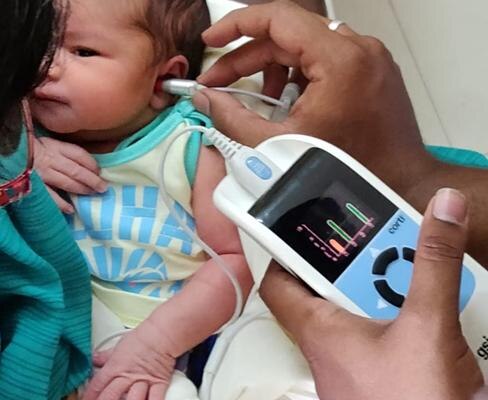
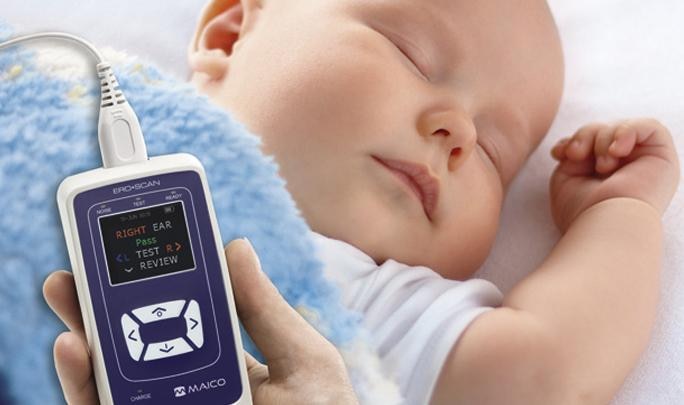
Newborn Hearing Test
Refers to those services aimed at early identification, intervention, and follow-up of infants and young children who have hard of hearing and/or reduce the hearing sensitivity.
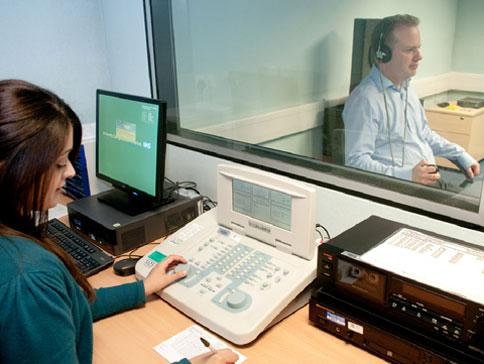
Pure Tone Audiometry Test
Pure-tone audiometry is the preliminary test to evaluate a person minimal audible level which helps determining the degree and type of hearing loss, thus providing a basis for diagnosis and further management.
Impedance audiometry is an objective method used to measurement the pressure in the middle ear, stapedius reflexes, and tension of the tympanic membrane.
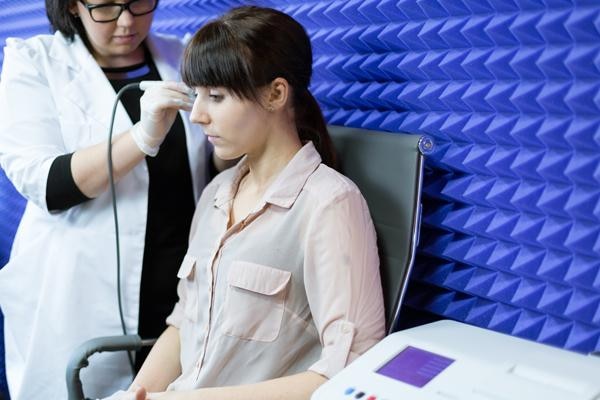
Otoacoustic Emissions Test
The OAE evaluation checks a part of the inner ear's response to sound. Specifically, OAEs provide information related to the function of the outer hair cells (OHC).
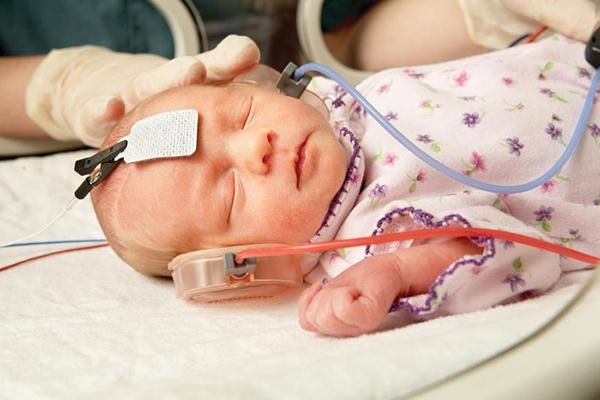
Brainstem Evoked Response Audiometry (BERA)
ABR evaluates how the inner ear and brain pathways of hearing are integrated and works in concurrence to each other.
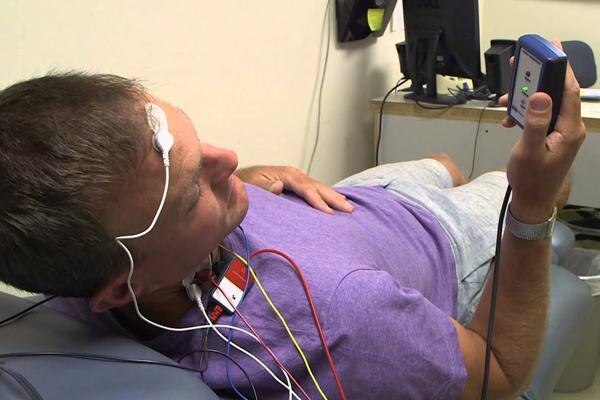
Vestibular Evoked Myogenic Potential (VEMP)
VEMP is a neurophysiological assessment technique used to determine the function of the otolithic organ (balance system) of the inner ear.
Aided Audiogram thresholds may be provided on an audiogram as a means of confirming the audibility of test sounds at different frequencies.
This testing may be done as part of guidance counseling, verifying the programmed amplification of a bone conduction aid or a cochlear implant, verifying that frequency lowering is effective in a hearing aid, and assessing functional gain when real ear microphone measures can’t be taken.