Please keep +91 or 0 before dialling the number. Please keep +91 or 0 before dialling the number
+917845822123
Chat with us
Chat with us on WhatsApp
×
Send a message
Thank you for writing to us. One of our executive will reach back to you through your submitted medium. In case there’s an urgency, feel free to connect over WhatsApp for faster response.
Prefer calling? Dial +9108048073565 (International callers) or 08048073565 (Indian callers).
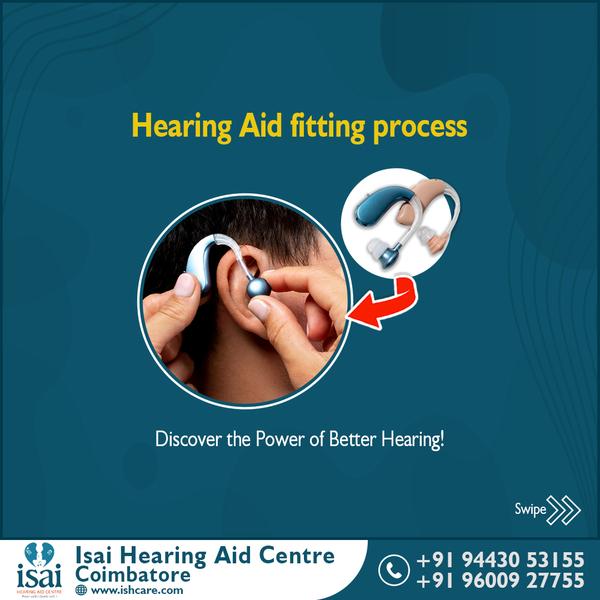
A behind-the-ear (BTE) hearing aid hooks over the top of your ear and rests behind the ear. A tube connects the hearing aid to a custom earpiece called an ear mold that fits in your ear canal. This type is appropriate for people of all ages and those with almost any type of hearing loss.
Advantages:
Comfortable to wear
Easy maintenance
Lower cost
Minimal feedback
Disadvantages:
Reduced sound quality
Not as suitable for high levels of hearing loss
Less discreet
Wind noise
The receiver-in-canal (RIC) and receiver-in-the-ear (RITE) styles are similar to a behind-the-ear hearing aid with the speaker or receiver that sits in the ear canal. A tiny wire, rather than tubing, connects the piece behind the ear to the speaker or receiver.
A receiver-in-canal hearing aid:
Typically has a less visible behind-the-ear portion
Has directional microphones
Has manual control options
May be available with rechargeable battery
Is susceptible to earwax clogging the speaker
A completely-in-the-canal hearing aid is molded to fit inside your ear canal. It improves mild to moderate hearing loss in adults. A completely-in-the-canal hearing aid: Is the smallest and least visible type.
Features:
Sit completely in your ear, so they won’t get tangled or pulled off when wearing or removing face masks
Virtually undetectable
For mild to moderately severe hearing loss
Custom-made for you
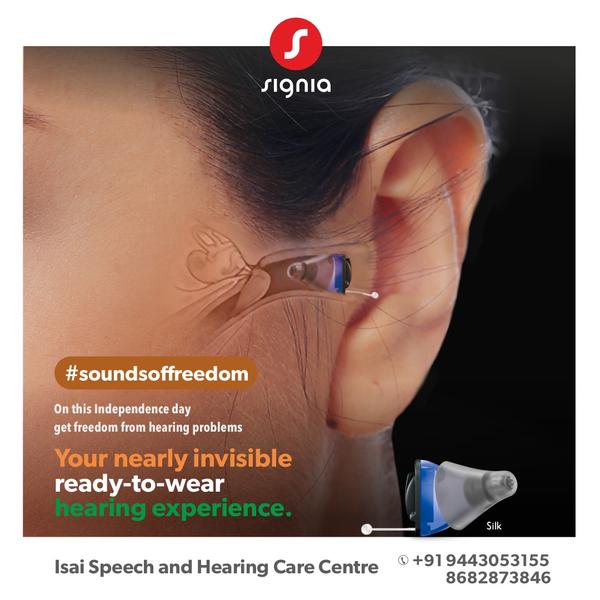
Invisible-in-canal (IIC) hearing aids are the smallest custom hearing aids that are available. This kind of hearing aid is designed and sculpted to fit entirely insides your ear canal. This makes them almost invisible to those around you.
Benefits:
One of the big advantages is the small size and almost invisible appearance of the hearing aid. This makes them a very discreet option if you would rather not advertise the fact that you’re wearing a hearing aid.
The location of the microphone in the ear canal, as opposed to behind the ear, can help with using the telephone and the preservation of the natural acoustics provided by the external ear. This helps with the localization of the direction of sound from in front of and behind you.
Speech therapy is the assessment and treatment of communication problems and speech disorders.
Speech therapy techniques are used to improve communication. These include articulation therapy, language intervention activities, and others depending on the type of speech or language disorder.
Speech therapy may be needed for speech disorders that develop in childhood or speech impairments in adults caused by an injury or illness, such as stroke or brain injury.
Speech Therapy for Children
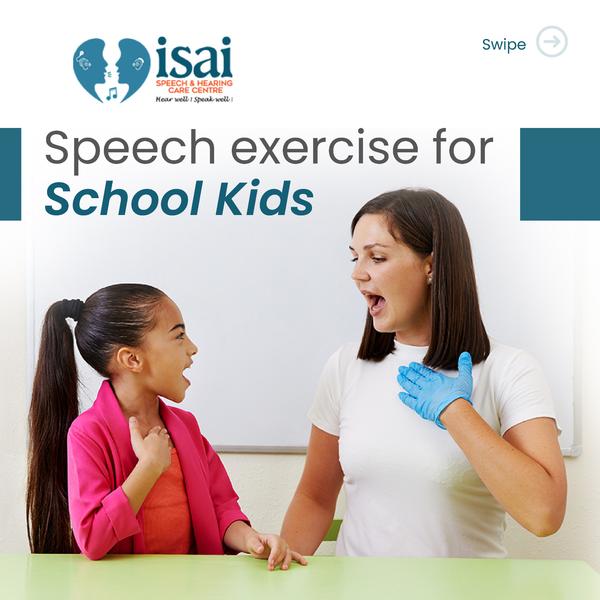
For your child, Speech Therapy may take place in a classroom or small group, or one-on-one, depending on the speech disorder. Speech therapy exercises and activities vary depending on your child’s disorder, age, and needs. During speech therapy for children, the SLP (speech-language pathologist) may:
interact through talking and playing, and using books, pictures other objects as part of language intervention to help stimulate language development
model correct sounds and syllables for a child during age-appropriate play to teach the child how to make certain sounds
provide strategies and homework for the child and parent or caregiver on how to do speech therapy at home
How long do you need speech therapy?
The amount of time a person needs speech therapy depends on a few factors, including:
their age
type and severity of the speech disorder
frequency of therapy
underlying medical condition
treatment of an underlying medical condition
Whether you use your voice professionally or not, voice therapy can play an essential role in restoring and strengthening your voice.
Anyone can develop a voice problem at any stage of life. People who use their voices professionally -- such as teachers, coaches, clergy members, performers, and telemarketers -- may be more likely to have voice problems.
Voice therapy can improve your voice’s health, function, quality, and stamina. That's why it's often described as “physical therapy for your voice.”
During voice therapy, your speech pathologist will create an exercise program tailored to your specific voice problem to help you get your voice back on track. It will take expert guidance from your therapist and consistent practice at home to reach your goal. You'll learn how to rebalance your entire vocal instrument -- for example, how to use breath to speak and how relaxing the throat can help you produce your easiest and best sound.
Voice therapy can also help you improve your voice if you experience:
Traumatic vocal cord (also known as vocal fold) injury
Vocal cord swelling
Vocal nodules, polyps, or cysts
Vocal cord paralysis
Vocal cord atrophy
Muscle tension dysphonia
Spasmodic dysphonia
Chronic cough and irritable larynx
Treatments:
Vocal Exercises
Laryngeal Massage and Myofascial Release
Vocal Hygiene
Whether you use your voice professionally or not, voice therapy can play an essential role in restoring and strengthening your voice.
Anyone can develop a voice problem at any stage of life. People who use their voices professionally -- such as teachers, coaches, clergy members, performers, and telemarketers -- may be more likely to have voice problems.
Voice therapy can improve your voice’s health, function, quality, and stamina. That's why it's often described as “physical therapy for your voice.”
During voice therapy, your speech pathologist will create an exercise program tailored to your specific voice problem to help you get your voice back on track. It will take expert guidance from your therapist and consistent practice at home to reach your goal. You'll learn how to rebalance your entire vocal instrument -- for example, how to use breath to speak and how relaxing the throat can help you produce your easiest and best sound.
Voice therapy can also help you improve your voice if you experience:
Traumatic vocal cord (also known as vocal fold) injury
Vocal cord swelling
Vocal nodules, polyps, or cysts
Vocal cord paralysis
Vocal cord atrophy
Muscle tension dysphonia
Spasmodic dysphonia
Chronic cough and irritable larynx
Treatments:
Vocal Exercises
Laryngeal Massage and Myofascial Release
Vocal Hygiene